Epeus' epigone

Edifying exquisite equine entrapments

Monday, 30 June 2008

Google as a restaurant? Watch Gordon Ramsay

Jeff Jarvis says he's writing a metaphorical application of Google principles to running a restaurant. Over the last few weekends, while sorting out stuff at home, I've been watching Gordon Ramsay's Kitchen Nightmares which BBC America seems to be playing continuously at weekends. If you haven't seen it, do watch some - each episode, Ramsay spends a week at a failing restaurant in the UK and tries to help them turn it around.

After seeing a few, there are recurrent themes that Ramsay comes up with: simple menus, built on good ingredients that local people understand, served promptly. Which fits well with Google's ten things - simple frontend, low latency results, user-focused. How he tries these out involve analogues for user testing, A/B experiments, and profiling under high load.

Of course, Google does run restaurants - so Jeff can read how they get built and tested directly.

Posted by Kevin Marks at 14:03 2 comments Links to this post
Labels: google, Gordon Ramsay, Restaurants

Saturday, 14 June 2008

I'm with the stupid network


I'm with the Stupid network
Originally uploaded by Kevin Marks
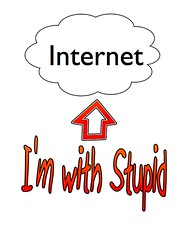
I'm looking forward to the Supernova conference next week, because Kevin Werbach always brings together an interesting group of people who care about the Internet and its future. We don't all agree on everything, which makes for some interesting debates, but we do tend to back the Open Web and the Stupid Network. It was the tenth anniversary of David Isenberg's 'Rise of the Stupid Network' paper this week, so I came up with this t-shirt design idea.
Posted by Kevin Marks at 09:31 2 comments Links to this post
Labels: internet, open web, stupid network, supernova

Sunday, 8 June 2008

How not to be viral

Graphing Social Patterns East is on tomorrow, and I'm sorry not to be there, though m'colleague Patrick Chanezon will be. However, reading the schedule I notice the word 'viral' is still much in evidence.

If you behave like a disease, people develop an immune system

At the Facebook developer Garage last week, I heard a developer say: when I hear 'viral' applied to software I replace it with 'cancerous' to clarify. A few months back I wrote that social Apps should be Organic, not Viral, and at Google I/O last week I expanded on this with m'colleagues Vivian Li and Chris Schalk. Here's an overview of the alternative reproductive strategies to being a virus that we came up with:

r-Strategy - scatter lots of seeds


Break free
Originally uploaded by aussiegall

Some plants and animals, like dandelions and frogs, rely on having huge numbers of offspring, with the hope that a few of them will survive - this is known as an r strategy. In application terms this is like wildly sending out invitations, or forcing users to invite their friends before showing them useful information. It may help you spread your seed, but most of them will die off rapidly.

K-Strategy - nurture your young

proud Mama

Proud mama
Originally uploaded by debschultz

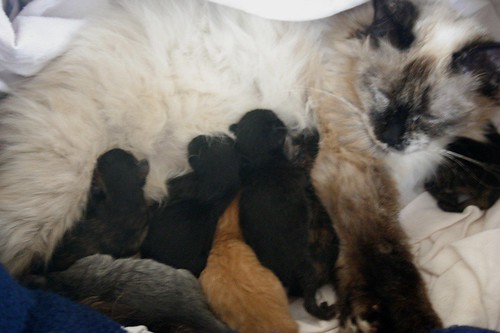
Mammals take the opposite strategy; they have a few young, and nurture them carefully, expecting most of them to grow up to adulthood and reproduce themselves. This is known as a K strategy. This translates into software by following Kathy Sierra's principles to create passionate users who will share your application through word of mouth. Another way to nurture your users is to encourage them to use your application before they have to install it, as Jonathan Terleski describes.


Fruiting - delicious with a seed in


help yourself
Originally uploaded by *madalena-pestana*

Many plants encourage their seeds to be spread more widely by wrapping them in fruit, so that animals or birds will carry them further, eating the fruit and helping the seed to propagate. The analogy here is in making sure your invitations aren't just bald come-ons for your application "a friend said something - click here to find out what" - with a forced install on the way, but instead are clearly bearing gifts to the receiving user, so they will want to click on the link after seeing what is in store. This is one of Jyri Engström's principles for Web 2.0 success with Social Objects.


Rhizomatic - grow from the roots up


Sweetness / Dolcezza
Originally uploaded by WTL photos

Another reproductive strategy that many plants, including strawberries and ginger use is to send out runners or shoots from the roots, so that they spread out sideways, from the bottom up, known as rhizomes or stolons. The analogy here is for social applications that spread through appearing in users activity streams and via entries in application directories, growing outwards through the 'grass roots' runners that they send out as part of their normal usage.


Being dumb gets low CPMs

A lot of the debate around viral applications reminds me of a David Foster Wallace quotation:
TV is not vulgar and prurient and dumb because the people who compose the audience are vulgar and dumb. Television is the way it is simply because people tend to be extremely similar in their vulgar and prurient and dumb interests and wildly different in their refined and aesthetic and noble interests.

Social networks aren't like TV - everyone sees something different in them. If you want to gather engaged, inspired, interested and indeed valued users, write an application that speaks to their refined and aesthetic and noble interests, and see how they will spread it through their social networks to find the others who share their interests.


It was interesting to see Slide redirecting away from virality today. GSP West was on at the same time and place as eTech, and I heard some eTechies refer to it as 'Grasping Social Parasites'; I hope that the growing realisation that a disease is not a good model to base your business on means that tomorrows conference will spread a better reputation for GSP East.

Posted by Kevin Marks at 23:49 9 comments Links to this post
Labels: grass roots, GSP, rhizomatic, social, social networks, social objects, viral, viral marketing
07/01/2008 - 08/01/2008 05/01/2008 - 06/01/2008 Home
Subscribe to: Posts (Atom)

This is my personal blog. Any views you read here are mine, and not my employers.

Subscribe to my Events

Atom Feed


Support the Open Rights Group
Technorati search

mediAgora
encourage copying, expect payment

Kevin Marks
My Shared Stuff

People's thoughts I read:

Daily

Rosie
San Jose Young People's Theatre
Dave Weinberger
Doc Searls
Gonzo Engaged
AKMA
Tomalak's Realm
Cory & friends
Denise Howell
Dave Winer
Charles Wiltgen
Shelley Powers
Jonathon Delacour
Dorothea Salo
James Lileks
Megan McArdle
Tim Oren
Suw Charman
Halley Suitt

Weekly

Andrew Marks
Blogsisters
Arts & Letters Daily
Bricklin, Frankston & Reed
Marek
Steve Yost
Jeneane Sessum
Brian Micklethwait et al
Donna Wentworth - CopyFight
Chris Locke
Arnold Kling
Jonathan Peterson
Dana Blankenhorn
Tom Matrullo
Gary Turner
Marc Canter
St Luke's Chapel (Michael Penfield)

Sporadically

As the Apple Turns (back at last)
Small Pieces
Stuart Cheshire
RageBoy
Nonzero
Neil Gaiman
Thomas Vincent
Brad deLong
Andrew Odlyzko
Frank Paynter
ProSUA

No to Mickey Mouse Computers

powered by blogger

Blog Archive

  • ►  2009 (21)
    • ►  November (2)
      • Publics, Flow, Phatic, Tummeling and Out-groups - ...
      • We'll be Fruitful, Virile and Fertile, they can ke...
    • ►  October (1)
      • T-mobile's Contacts Roach Motel loses them all
    • ►  September (2)
      • Tummling, SideWiki, Twitter and the Tragedy of the...
      • In 1999, Douglas Adams got it right
    • ►  August (3)
      • Pear Analytics Study Missing the Phatic Wood for t...
      • How Twitter works in theory
      • The Flow Past Web: even better than the RealTime t...
    • ►  July (2)
      • Apple's fussyness shows the real platform - the we...
      • Could Amazon deKindle returned books?
    • ►  June (2)
      • Celebrities - social objects or fake friends?
      • Farewell to Google
    • ►  May (2)
      • Faces call the trust code in our brains
      • Press Release Use Causes "Serious" Brain Damage, M...
    • ►  April (1)
      • WSJ dubbed internet parasite by WSJ editor
    • ►  February (2)
      • A load of Thunderer
      • OpenSocial WeekendApps
    • ►  January (4)
      • Mark Cuban's Big Lie
      • Notes on Charlene Li's Future of Social Networks S...
      • Hold your breath while Googling to save the planet...
      • MacWorld wishlist
  • ▼  2008 (29)
    • ►  December (2)
      • My twittered notes on the Leweb Social panel
      • Cycling to new layers of freedom
    • ►  November (3)
      • OpenSocial’s birthday today
      • Missing the point of OpenID
      • Blogging's not dead, it's becoming like air
    • ►  August (1)
      • Social Disease, or making magic?
    • ►  July (3)
      • Open Source and Social Cloud Computing
      • Here Comes Everybody - Tummlers, Geishas, Animateu...
      • Shortening URLs, or getting inbetween?
    • ▼  June (3)
      • Google as a restaurant? Watch Gordon Ramsay
      • I'm with the stupid network
      • How not to be viral
    • ►  May (5)
      • Miasma theory - wrong in the 1840s, wrong now
      • An API is a bespoke suit, a standard is a t-shirt
      • Talking about OpenSocial all over the place
      • Portable Apps, not data?
      • Mixing degrees of publicness in HTTP
    • ►  April (2)
      • Digital publics, Conversations and Twitter
      • Comcast's Bialystock and Bloom Business Model?
    • ►  February (3)
      • Be Organic, not Viral
      • The Social Cloud
      • LIFT Conference starts
    • ►  January (7)
      • Sheet music redux
      • Fear of the new - the Internet, Tea, and MapReduc...
      • OpenSocial Hackathon next week in SF
      • Identity Theft is not a crime
      • memes, dreams and themes
      • URLs are people too
      • Tardy blogging
  • ►  2007 (45)
    • ►  November (3)
    • ►  October (4)
    • ►  September (4)
    • ►  August (10)
    • ►  July (3)
    • ►  June (8)
    • ►  April (2)
    • ►  March (6)
    • ►  February (3)
    • ►  January (2)
  • ►  2006 (119)
    • ►  December (13)
    • ►  November (8)
    • ►  October (16)
    • ►  September (10)
    • ►  August (3)
    • ►  July (6)
    • ►  June (24)
    • ►  May (3)
    • ►  April (10)
    • ►  March (7)
    • ►  February (8)
    • ►  January (11)
  • ►  2005 (101)
    • ►  December (10)
    • ►  November (13)
    • ►  October (9)
    • ►  September (8)
    • ►  August (7)
    • ►  July (7)
    • ►  June (8)
    • ►  May (12)
    • ►  April (7)
    • ►  March (6)
    • ►  February (1)
    • ►  January (13)
  • ►  2004 (53)
    • ►  December (8)
    • ►  November (5)
    • ►  October (6)
    • ►  September (7)
    • ►  July (5)
    • ►  June (3)
    • ►  May (2)
    • ►  March (3)
    • ►  February (7)
    • ►  January (7)
  • ►  2003 (196)
    • ►  December (12)
    • ►  November (14)
    • ►  October (21)
    • ►  September (23)
    • ►  August (19)
    • ►  July (11)
    • ►  June (14)
    • ►  May (9)
    • ►  April (22)
    • ►  March (20)
    • ►  February (16)
    • ►  January (15)
  • ►  2002 (225)
    • ►  December (15)
    • ►  November (21)
    • ►  October (22)
    • ►  September (12)
    • ►  August (11)
    • ►  July (28)
    • ►  June (19)
    • ►  May (29)
    • ►  April (18)
    • ►  March (19)
    • ►  February (17)
    • ►  January (14)
  • ►  2001 (13)
    • ►  December (2)
    • ►  November (11)

About Me

My Photo
Kevin Marks
Kevin Marks works at BT as VP of Web Services. From 2007 to 2009, he worked at Google on OpenSocial. From 2003 to 2007 he was Principal Engineer at Technorati responsible for the spiders that make sense of the web and track millions of blogs daily. He has been inventing and innovating for over 17 years in emerging technologies where people, media and computers meet. Before joining Technorati, Kevin spent 5 years in the Quicktime Engineering team at Apple, building video capture and live streaming into OS X. He was a founder of The Multimedia Corporation in the UK, where he served as Production Manager and Executive Producer, shipping million-selling products and winning International awards. He has a Masters degree in Physics from Cambridge University and is a BBC-qualified Video Engineer.One of the driving forces behind microformats.org he regularly speaks at Conferences and Symposia on emergent net technologies and their cultural impact.
View my complete profile